
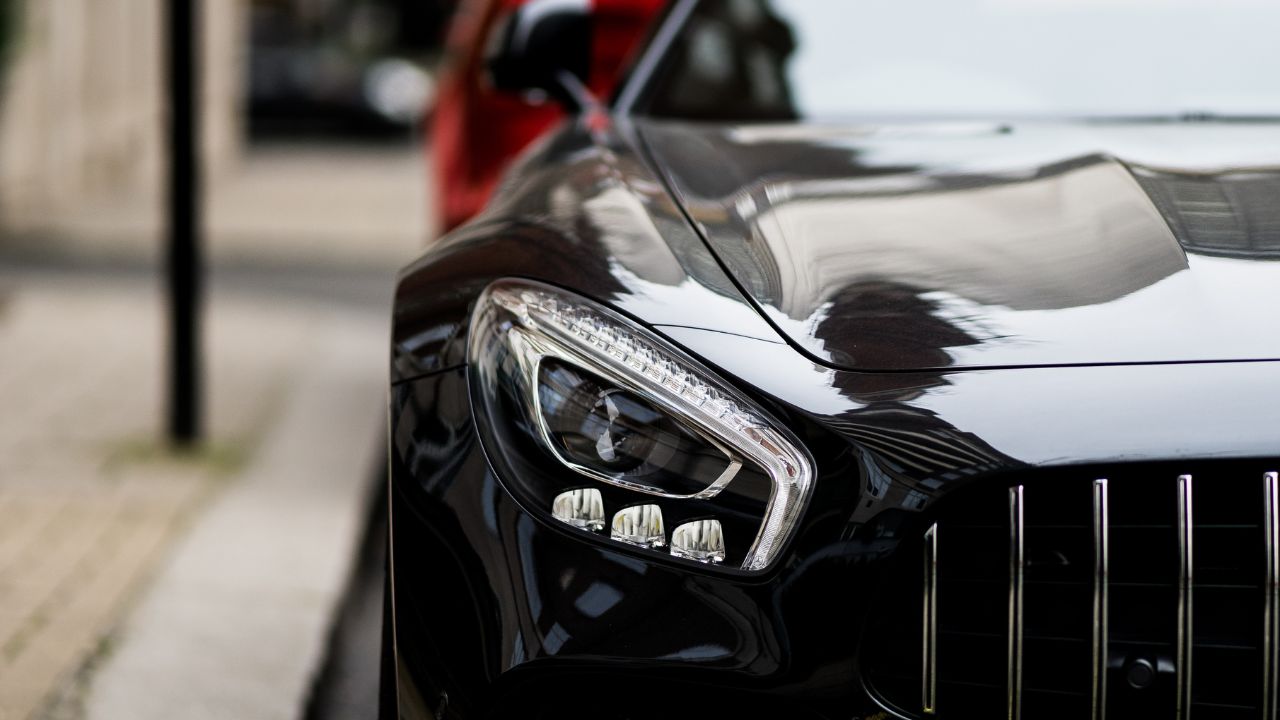
The luxury car diminished value timeline in California varies significantly based on case complexity and documentation quality. Most straightforward claims resolve within 30 to 45 days, while complex luxury vehicle cases often extend from two to six months. Understanding each stage of the process helps owners set realistic expectations and prepare the necessary evidence to expedite their claims.
The California claim duration depends on multiple factors, including repair completion time, appraisal scheduling, and insurer responsiveness. Owners who maintain detailed records of vehicle damages and secure professional appraisals typically experience faster resolutions than those attempting direct negotiation. Strategic preparation and professional guidance directly influence both the speed and success of diminished value claims in California.
Key Takeaways
- Straightforward diminished value claims settle in 30-45 days, while complex luxury cases take 2-6 months
- Attorney-assisted claims achieve 85% success rates and $6,500+ settlements versus 60% and $1,500 for direct negotiation
- California generates 28% of U.S. diminished value claims despite having only 24.3% of vehicles
- Premium vehicle appraisals cost $600-$1,200 but can secure settlements ranging from $3,000 to $15,000+
- USPAP-compliant appraisals and early notification significantly improve settlement outcomes
What Is a Luxury Car Diminished Value Claim?
A luxury car diminished value claim seeks compensation for the reduced market value that persists after car accident repairs. Even when repairs are flawless, the vehicle’s documented accident history creates a permanent financial loss. Unlike a total loss, where the insurer declares the vehicle beyond economical repair, this claim addresses the gap between pre-accident value and actual post-repair market value.
The claim compensates owners for the stigma buyers attach to vehicles with accident records. Under California law, insurance should cover not only repair costs but also the measurable loss in resale value. Understanding diminished value after an accident helps owners recognize their right to full financial recovery.
What Causes Diminished Value After an Accident?
Diminished value represents the market value loss resulting from accident history, regardless of repair quality. Buyers consistently pay less for vehicles with documented collisions, even when repairs meet manufacturer specifications. This reduction occurs because accident history signals potential hidden damage or future mechanical issues.
Vehicle history reports through services like CARFAX permanently document accidents and reduce market appeal. Prospective buyers immediately discount asking prices upon discovering accident records in these reports. The stigma attached to accident-involved vehicles creates measurable financial harm that persists throughout ownership.
What Types of Diminished Value Claims Exist?
Inherent or Stigma Diminished Value represents the loss attributable solely to accident history, assuming optimal repairs. This claim type dominates the market, accounting for 85% of all diminished value cases. The stigma exists independently of repair quality because buyers inherently distrust previously damaged vehicles.
Repair-Related Diminished Value arises when substandard workmanship or non-OEM parts compromise the vehicle’s condition. This category represents approximately 10% of claims and addresses actual quality deficiencies beyond stigma. Immediate Diminished Value captures the value loss between the accident and repair initiation, though this type remains rarely pursued in practice.
Who Files Luxury Car Diminished Value Claims in California?
Owners of luxury, high-performance, and premium vehicles file the majority of diminished value claims in California following motor vehicle accidents. The 35-54 age demographic demonstrates the highest claim likelihood at 75%, correlating with peak earning years. This group maintains the highest vehicle ownership rate at 88% and possesses both financial resources and awareness.
California’s affluent population and concentration of luxury vehicles drive disproportionately high claim volume compared to other states. The state’s strong consumer protection culture and educated vehicle owners contribute to increased claim awareness. Geographic and demographic factors combine to create a robust market for diminished value recovery efforts.
What Are the Key Consumer Demographics?
The 18-24 age group shows 35% vehicle ownership but only 25% claim likelihood due to lower-value vehicles. Young owners often lack awareness of diminished value rights and hesitate to navigate insurance processes. Their limited claim participation reflects both asset value and legal knowledge gaps.
The 25-34 demographic achieves 62% ownership and 45% claim likelihood as purchasing power increases. The 35-54 group dominates with 88% ownership and 75% claim pursuit, representing 42% of supercar owners. The 55-65+ segment maintains 75% ownership but slightly lower 60% claim rates despite substantial assets.
How Does California Compare to Other States in Claim Volume?
California accounts for approximately 24.3% of registered vehicles nationwide, but generates 28% of diminished value claims. This disproportionate share reflects the state’s luxury vehicle concentration and consumer awareness levels. The state’s legal environment and educated population support higher claim-filing rates than national averages.
Claim volume growth accelerated from a baseline index of 100 in 2020 to a projected 210 by 2026. This represents an average annual growth rate of 12.8% over the six-year period. Rising vehicle prices and increased consumer education continue driving the upward claim trajectory across California.
What Are the Stages in the Diminished Value Claim Process?
The diminished value case length spans seven distinct stages from accident notification through final settlement payment. Early notification during Days 1-7 establishes the claim foundation and preserves legal rights against insurers. Each subsequent stage builds upon previous documentation, creating a comprehensive evidentiary record supporting the valuation.
The repair process consumes 2-8 weeks, depending on damage severity and specialty parts availability for luxury vehicles. Post-repair appraisal requires 1-2 weeks for certified professionals to evaluate market impact and calculate loss. Demand submission, insurer review, negotiation, and payment collectively add another 6-14 weeks to the timeline.
How Long Does Each Stage Typically Take?
Immediate notification occurs within Days 1-7 when owners inform insurers about accidents and reserve diminished value rights. This critical step prevents insurers from claiming untimely notice and establishes the owner’s intent. Explicit written notification creates a documented claim start date for tracking auto claim processing time.
The repair process spans 2-8 weeks as vehicles undergo necessary restoration at certified facilities, a period during which owners may also pursue loss of use compensation for the time without their vehicle. Repair duration fluctuates based on damage extent and luxury parts procurement requirements for high-end models. Independent appraisal follows within 1-2 weeks post-repair to determine actual market value reduction.
Demand submission should occur within 30 days of repair completion, including appraisal reports and supporting documentation. Insurers review these demands over 2-4 weeks, often conducting independent evaluations to challenge valuations. Negotiation and settlement processing add another 2-8 weeks before final payment distribution.
What Variations Affect the Timeline?
Straightforward claims involving clear liability and quality documentation resolve within 30 to 45 days total. These expedited cases feature cooperative insurers, undisputed accident facts, and professional appraisals supporting reasonable valuations. Minimal negotiation accelerates the high-end vehicle recovery time significantly.
Complex luxury vehicle cases extend from two to six months due to disputed valuations and extensive negotiations. Repair duration varies substantially depending on damage severity and parts availability for exotic vehicles. Multiple appraisals, legal consultation, and protracted insurer resistance extend the overall claim resolution period considerably.
How Does the Claim Handling Method Influence Outcomes?
The approach owners select for pursuing their claims directly determines both success probability and settlement amounts. Direct negotiation with insurers yields the lowest success rate at 60% and minimal average settlements of $1,500. Independent appraisers improve outcomes to 75% success and $3,000 settlements through professional documentation.
Attorney-assisted claims achieve the highest success rate at 85% with average settlements exceeding $6,500 for luxury vehicles. Legal representation signals serious intent and skilled professional advocacy that insurers cannot easily dismiss with lowball offers. Professional assistance dramatically improves both the likelihood and magnitude of fair compensation recovery.
What Are the Differences Between Direct Negotiation and Professional Assistance?
Direct negotiation requires owners to research valuation methods, prepare documentation, and counter insurer objections independently. This approach saves upfront costs but sacrifices success probability and settlement value significantly. Most owners lack the technical knowledge and negotiation skills to maximize their recovery without professional support.
Independent appraisers provide USPAP-compliant valuations that insurers must address seriously during settlement discussions. Professional appraisals establish credible market evidence that validates the owner’s claim and justifies higher settlements. Filing diminished value claims for high-value cars becomes substantially more effective with certified professional documentation.
How Do Settlement Success Rates Vary by Approach?
Direct negotiation achieves only 60% success with average settlements around $1,500 for accepted claims. Owners frequently accept inadequate offers due to limited negotiation leverage and knowledge of fair valuations. Insurance adjusters exploit this information asymmetry to minimize payouts systematically.
Independent appraisers increase success rates to 75% and average settlements to approximately $3,000 through credible evidence. Attorney-assisted claims reach 85% success rates with settlements averaging $6,500 or higher for luxury vehicles. Successful settlements for diminished value cases demonstrate the substantial financial benefit of professional representation.
What Costs Are Involved in Pursuing a Luxury Car Diminished Value Claim?
Pursuing diminished value claims requires investment in professional appraisals and potentially legal representation to maximize recovery. Budget tier vehicles incur $300-$400 appraisal costs with expected settlements ranging from $500 to $2,000. Mid-range vehicles face $400-$600 appraisal expenses supporting settlements between $1,500 and $4,000.
Premium luxury vehicles justify $600-$1,200 appraisal investments given potential settlements from $3,000 to $15,000 or higher. Attorney fees vary from minimal amounts for simple cases to $500-$2,000+ for complex luxury vehicle negotiations. Net recovery after expenses remains positive across all tiers when claims are properly documented and pursued.
How Do Costs Vary by Vehicle Tier?
Budget tier vehicles generate expected settlements of $500-$2,000 with net recovery ranging from $200 to $1,300. These cases rarely justify attorney involvement given the limited potential recovery relative to legal costs. Simple documentation and direct negotiation often suffice for lower-value vehicles with minimal diminished value.
Mid-range tier vehicles achieve settlements between $1,500 and $4,000 with a net recovery of $900-$3,100 after expenses. Premium-tier luxury vehicles command settlements from $3,000 to $15,000+, given their substantial market value. Higher potential recovery justifies increased investment in professional appraisals and legal representation for luxury owners.
What Are Typical Appraisal and Attorney Fee Ranges?
Budget tier appraisals cost $300-$400 for standard vehicles with straightforward valuation methodologies and limited market research. Mid-range vehicles require $400-$600 appraisals reflecting increased complexity and higher market values requiring detailed comparables. Premium luxury vehicles demand $600-$1,200 appraisals due to specialized market knowledge and extensive documentation requirements.
Attorney fees for budget cases range from $0-$300 when legal involvement is minimal or unnecessary. Mid-range cases may incur $0-$500 in legal fees for consultation and demand letter preparation. Premium cases justify $500-$2,000+ in attorney fees given the substantial potential recovery and complex negotiations.
How Should Claimants Prepare to Maximize Their Settlement?
Early notification to insurers establishes the claim timeline and preserves all legal rights from the outset. Owners must explicitly state their intent to file diminished value claims within the first week. This proactive communication prevents insurers from denying claims based on delayed notification arguments.
Maintaining comprehensive records of repairs, invoices, and pre-accident vehicle condition creates essential evidentiary support for valuations. Professional USPAP-compliant appraisals from certified independent professionals provide the foundation for credible settlement demands. Strategic preparation significantly shortens the overall claim duration and improves settlement outcomes across all vehicle tiers.
What Documentation and Evidence Are Essential?
Notifying the insurer early and explicitly stating diminished value claim intent creates the necessary legal foundation. Clear written notification within Days 1-7 establishes the claim start date and prevents procedural objections. This initial communication should specifically mention diminished value rights to avoid later disputes.
Maintaining detailed records of all repairs, invoices, and pre-accident vehicle condition supports comprehensive valuation analysis. Investing in USPAP-compliant appraisals from certified independent professionals provides the strongest evidence for settlement negotiations. USPAP-compliant certification ensures the appraisal meets industry standards that insurers cannot easily dismiss as unreliable.
When Is Legal Consultation Advisable?
Legal consultation becomes advisable when the potential diminished value exceeds several thousand dollars for luxury vehicles. Orange County diminished value claim attorneys possess the advanced legal knowledge required to counter sophisticated insurer objections. Professional representation levels the playing field against insurers’ experienced adjusters and legal teams.
Cases involving disputed liability, complex valuations, or uncooperative insurers benefit significantly from attorney involvement immediately. Early legal consultation prevents procedural errors that could compromise the entire claim’s viability. Anaheim diminished value claim lawyers provide strategic guidance that maximizes recovery while minimizing owner stress and time investment.
How Do Insurers Commonly Respond and How Can Claimants Rebut Them?
Insurers routinely object that repairs fully restored the vehicle to its pre-accident condition and value. This argument ignores the documented market reality that buyers consistently discount accident-involved vehicles regardless of repair quality. Adjusters use this objection to deny legitimate claims and avoid paying fair compensation.
Insurance companies frequently claim that requested diminished value amounts are speculative or unsupported by evidence. This tactic pressures owners to accept lowball offers or abandon valid claims entirely. Understanding common objections and preparing strong rebuttals dramatically improves settlement outcomes for Orange County car injury diminished value claims.
What Are Typical Insurer Objections?
Insurers commonly assert that professional repairs completely restored the vehicle to its original condition and value. This objection attempts to conflate physical repair quality with market perception and buyer behavior. Adjusters ignore overwhelming evidence that accident history permanently reduces market value through buyer stigma.
Insurers also claim that diminished value calculations are speculative without concrete market evidence supporting the amounts. This objection challenges the methodology and credibility of owner-provided valuations and appraisals. Adjusters use this tactic to undermine legitimate claims and pressure owners into accepting inadequate settlements.
What Arguments Effectively Counter Insurer Claims?
Owners should never accept the first offer, as insurers routinely present lowball amounts as opening positions. Being prepared to counter with strong evidence and market comparables demonstrates seriousness and claim validity. First offers typically represent 30-50% of potential recovery amounts based on similar luxury vehicle settlements.
Professional appraisals based on actual market comparables refute speculation claims with concrete, quantifiable evidence of loss. A dealer appraisal reflecting a reduced trade-in or resale offer further illustrates how the market discounts the vehicle. Vehicle history reports documenting the accident provide irrefutable proof that market perception changed permanently regardless of repairs. Strong evidence presentation forces insurers to engage in good-faith negotiations rather than summary claim denials.
Navigating the Timeline and Process of Luxury Car Diminished Value Claims in California
Successfully recovering diminished value compensation requires understanding the complete process from initial notification through final settlement. California owners must balance speed against thorough preparation to maximize their financial recovery after an auto accident. Patience combined with strategic documentation creates the strongest foundation for favorable claim outcomes.
The process rewards owners who invest in professional appraisals and consider legal consultation for high-value vehicles. While the luxury car diminished value timeline extends from weeks to months, proper preparation substantially increases both success probability and settlement amounts. California’s consumer-favorable environment supports owners who assertively pursue their legitimate rights to full compensation.
Professional guidance through firms like Kerr Law Firm helps owners navigate complex negotiations and achieve fair settlements efficiently. Experienced representation removes the burden of dealing with insurance adjusters while maximizing financial recovery. Owners who recognize the value of professional assistance consistently achieve superior outcomes compared to direct negotiation attempts.
Protect Your Vehicle’s Value with Kerr Law Firm
If a car accident has left your luxury vehicle worth less than it was before, you do not have to accept an insurer’s lowball offer. The experienced professionals at Kerr Law Firm have guided Orange County drivers through diminished value and loss of use claims since 1979, handling the appraisals, demand letters, and insurer negotiations on your behalf. Schedule your free case evaluation today to learn how our skilled professionals can help you pursue fair compensation through a diminished value claim in California.
