
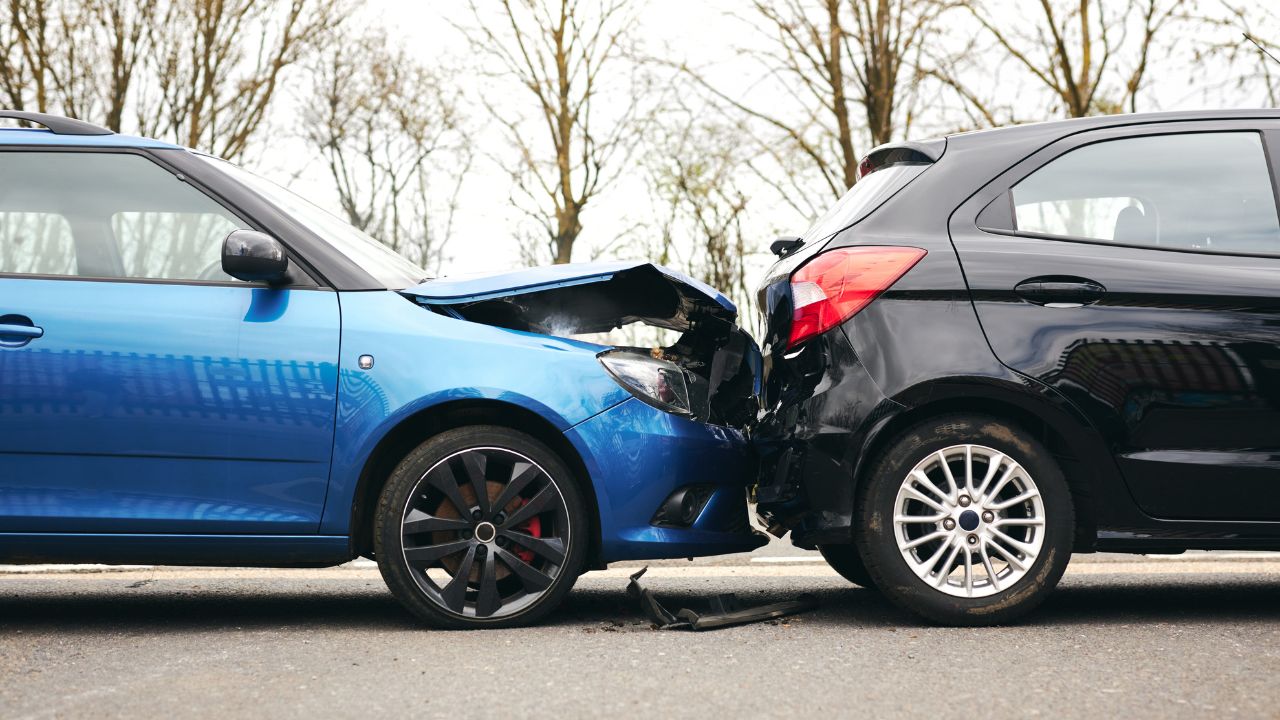
California operates under a fault-based insurance system that allows accident victims to recover financial losses beyond repair costs. Vehicle owners whose cars have been damaged by at-fault drivers can pursue diminished value compensation, which addresses the permanent market value reduction that occurs even after proper repairs. Understanding what evidence for diminished value claim requirements exist helps vehicle owners build strong cases and maximize their financial recovery.
Key Takeaways
- California requires proof of fault, professional appraisals, and repair documentation to support diminished value claims
- Third-party claims against at-fault drivers’ liability insurance are the primary recovery method in California
- Licensed appraisals cost $200-$1,000 and establish the market value loss from accident history
- The three-year statute of limitations begins on the accident date for property damage claims
- Luxury vehicles and electric cars may experience 15-30% value loss even after perfect repairs
What Is Diminished Value and Why Does It Matter in California?
Diminished value represents the difference between a vehicle’s pre-accident market value and its post-repair market value. Even when collision damage is repaired to factory specifications, buyers discount vehicles with accident histories. This reality creates a measurable financial loss that California law recognizes as compensable property damage. Understanding diminished value claims becomes essential for owners of newer or luxury vehicles, where resale value forms a significant portion of their investment.
What Are the Types of Diminished Value Claims?
Inherent Diminished Value accounts for market value loss solely from accident history documentation appearing on vehicle reports. This type represents the most common claim because buyers automatically devalue any car with collision records, regardless of repair quality. Repair-Related Diminished Value applies when visible defects or imperfect workmanship further reduce market appeal beyond the stigma of accident history. Immediate Diminished Value measures the value gap that exists immediately after collision damage occurs but before any repair work begins.
How Does California Law Recognize Diminished Value?
California’s fault-based system assigns financial responsibility to drivers who cause accidents through negligence or violations. It’s well established that diminished value constitutes recoverable property damage under California law. Courts recognize that vehicle owners suffer real economic harm when their cars lose market value permanently. This legal precedent allows victims to seek compensation directly from at-fault drivers’ liability insurance carriers.
Who Can File a Diminished Value Claim in California?
Filing eligibility depends on fault determination and the type of insurance coverage involved in the accident. Vehicle owners who were not responsible for causing the collision can pursue third-party claims against the at-fault driver’s carrier. California law generally excludes diminished value recovery from first-party collision or comprehensive coverage policies. Owners must prove another driver’s negligence caused the accident and the resulting market value loss.
What Are the Key Demographics of Claimants?
Successful claimants typically own newer vehicles with significant remaining market value. Middle to upper-middle-income earners with annual incomes between $60,000 and $100,000 represent the core demographic pursuing these claims. Urban and suburban California regions, including Los Angeles County, Orange County, the Bay Area, and Silicon Valley, generate the highest claim volumes. Population density and luxury vehicle concentration in these areas create more opportunities for substantial diminished value recoveries.
How Do Different Vehicle Categories Affect Diminished Value?
Compact and economy cars may experience a 6-10% typical value loss because buyers in this segment prioritize affordability over condition. Mid-size sedans face 8-14% depreciation as mainstream buyers exercise moderate caution about accident history. Pickup trucks with high trim packages lose 10-18% of value due to work-related reliability concerns. Premium SUVs suffer 12-22% reductions as affluent buyers demand pristine condition and complete vehicle histories. Luxury sedans and electric vehicles experience the steepest losses at 15-30% because buyers in these segments maintain zero tolerance for accident records.
How Does the Fault System Impact Diminished Value Claims?
California creates distinct pathways for recovery depending on liability determination and coverage types. At-fault drivers cannot recover diminished value from their own insurance policies under standard terms. Third-party liability claims offer the primary avenue for compensation when another driver causes the collision. The fault determination process directly influences claim viability and settlement prospects.
What Is the Difference Between Third-Party and First-Party Claims?
Third-party claims target the at-fault driver’s liability insurance and form the standard method for recovering diminished value. These claims require proving that the other driver’s negligence caused both the collision and the resulting market value loss. First-party claims involve seeking compensation from your own insurance carrier under collision or comprehensive coverage. California policies typically exclude diminished value from first-party coverage terms, making recovery through this channel nearly impossible. Policy language specifically limits first-party property damage compensation to repair costs without addressing market value depreciation.
Why Is Fault Important in California Diminished Value Claims?
At-fault drivers forfeit the ability to recover diminished value from their own insurance companies under standard policy exclusions. California requires clear liability determination before any diminished value claim can proceed successfully. Uninsured motorist scenarios complicate recovery unless the victim carries specific uninsured motorist property damage coverage with diminished value provisions. Comparative negligence reduces claim value proportionally when the claimant shares partial fault for the collision.
What Evidence Is Required to Support a Diminished Value Claim?
Building a successful claim requires assembling specific California automotive damage documentation that proves both liability and quantifiable market value loss. Insurance carriers routinely deny claims lacking proper evidence or professional valuation support. Claimants bear the burden of demonstrating actual financial harm through credible documentation and expert analysis. The evidence collection process should begin immediately after the accident and continue through repair completion.
How Do You Prove Fault and Liability?
Police accident reports establish initial fault determination and provide official documentation of collision circumstances and traffic violations. Witness statements corroborate the sequence of events and support liability claims when disputes arise. Traffic citations issued at the scene create strong presumptions of fault that insurance carriers find difficult to contest. Photographic evidence from the accident scene captures vehicle positions, damage patterns, and environmental conditions that support liability claims.
What Documentation and Appraisals Are Needed?
Professional appraisal reports from licensed California automotive appraisers establish the specific dollar amount of market value loss. These reports must include pre-accident valuations based on comparable vehicle sales and condition assessments. Post-repair valuations demonstrate the permanent market value reduction despite proper repairs being completed. California requires appraisers to hold proper licensing and specialization in diminished value methodology to produce credible reports.
What Role Do Repair Invoices and Photos Play?
Final repair invoices document the extent of collision damage and costs required to restore the vehicle to pre-accident condition. These invoices establish damage severity and structural involvement that directly correlate with market value reduction. Before and after photographs provide visual proof of luxury car depreciation and repair quality for insurance adjusters and potential arbitrators. Documentation for insurance dispute purposes should include detailed images of all damaged areas from multiple angles.
How Do Claimants Calculate and Quantify Diminished Value?
Professional appraisers employ standardized methodologies to determine the specific percentage and dollar amount of market value loss. Calculation methods consider vehicle age, pre-accident condition, damage severity, and repair quality to establish diminished value. Market data from comparable vehicle sales provides the foundation for establishing both pre and post-accident valuations. The calculation process translates collision damage into specific dollar figures that insurance carriers must address.
What Are the Common Appraisal Methods?
The 17c formula provides a standardized calculation framework originally developed by insurance industry experts for claim evaluation. This method applies damage severity multipliers to the base vehicle value before factoring in mileage and condition adjustments. Market comparison approaches analyze actual sales data for identical vehicles with and without accident histories. These analyses demonstrate real-world price differences that buyers apply when evaluating vehicles with collision records. Professional appraisers typically combine multiple methodologies to produce defensible valuations that withstand insurance carrier scrutiny.
How Does Vehicle Type Influence Loss Estimates?
Electric vehicles experience 18-30% value loss due to battery integrity concerns and limited buyer pools in the resale market. Luxury sedans face 15-25% depreciation because affluent buyers maintain strict standards for vehicle condition and documentation. Premium SUVs lose 12-22% of value as family-oriented buyers prioritize safety and structural integrity over cosmetic perfection. Mid-size sedans experience a 8-14% reduction as mainstream buyers balance practical considerations against accident history concerns. Compact and economy cars suffer 6-10% losses because budget-conscious buyers accept minor imperfections in exchange for affordability.
What Legal Precedents Help Establish Value?
California law recognizes diminished value as compensable property damage separate from repair costs. This is because vehicle owners suffer real economic losses when the market value declines permanently after accidents. Courts have consistently upheld that proper compensation requires addressing both repair expenses and market value depreciation. Legal frameworks recognize that vehicles serve as significant financial assets deserving full protection under California property damage law.
What Are the Typical Costs and Fees in Pursuing a Claim?
Understanding financial commitments helps claimants evaluate whether pursuing diminished value claims makes economic sense for their situations. Professional services and legal representation involve specific costs that may reduce net recovery amounts. Most expenses remain manageable relative to potential settlement values for vehicles with significant market value. Cost-benefit analysis should account for claim complexity and insurance carrier cooperation levels.
How Much Do Independent Appraisals Cost?
Licensed professional appraisers in California charge between $200 and $1,000 for comprehensive diminished value reports. These fees cover vehicle inspection, market research, comparable sales analysis, and formal report preparation. Higher-value vehicles may justify premium appraisal services that provide additional documentation and expert testimony capabilities. Appraisal costs represent necessary investments that substantially increase claim success rates and settlement amounts.
When Are Legal Fees Applicable and What Are Their Structures?
Attorney representation becomes valuable when insurance carriers deny claims or offer inadequate settlement amounts below appraisal values. Contingency fee arrangements typically range from 33% to 40% of final settlement proceeds without requiring upfront payments. This structure aligns attorney incentives with maximizing client recovery while eliminating financial barriers to legal representation. Hourly billing arrangements may apply in specific situations but remain less common for diminished value claims. Successful settlements often justify legal fees through significantly increased recovery amounts.
What Settlement Ranges Can Claimants Expect?
Minor damage scenarios producing 5-10% value loss on a $30,000 vehicle generate settlements between $1,500 and $3,000. Moderate damage cases with 10-20% depreciation on the same vehicle yield $3,000 to $6,000 in compensation. Severe collision damage affecting structural components can produce 20-35% losses worth $6,000 to $10,500 on mid-value vehicles. Luxury vehicle claims frequently exceed $15,000 when accident histories significantly impact resale appeal in premium markets.
What Are the Time Limits and Processing Steps for Filing?
California law establishes specific deadlines and procedural requirements that govern diminished value claim processing and insurance carrier responses. Missing statutory deadlines permanently eliminates recovery rights regardless of claim merit or damage severity. Understanding procedural timelines helps claimants protect their rights while maintaining reasonable expectations about resolution timeframes. State insurance regulations impose mandatory response deadlines that carriers must follow once proper notice occurs.
What Is the Statute of Limitations for Diminished Value Claims?
California establishes a three-year statute of limitations for all property damage claims, including diminished value. This deadline begins running on the accident date and continues regardless of when the owner discovers the value loss. Government entities claim to face a shortened one-year deadline requiring prompt claim filing and notice procedures. Missing these deadlines permanently bars recovery, even when clear evidence proves substantial market value depreciation.
How Does the Claim Timeline Work Under California Insurance Regulations?
Insurance carriers must acknowledge receipt of diminished value claims. Upon receiving the demand, carriers have just over one month to respond. These deadlines create predictable timelines while protecting claimants from indefinite delays and administrative tactics. Learning what steps to take after accidents helps preserve claim rights and document losses properly.
What Are the Key Steps from Filing to Settlement?
Obtaining police reports and fault documentation forms the essential first step in establishing liability and claim viability. Completing all repairs and collecting final invoices demonstrates damage severity while creating the baseline for market value comparisons. Securing professional appraisal reports from licensed experts provides credible third-party valuation evidence that carriers cannot easily dismiss. Submitting formal written demands with supporting documentation to the at-fault driver’s insurance initiates the negotiation process. Responding to carrier counteroffers and negotiating fair settlement amounts typically concludes the process without litigation requirements.
Proving Diminished Value in California: A Comprehensive Overview
Successfully recovering diminished value compensation requires understanding legal requirements, gathering proper evidence, and presenting claims professionally to insurance carriers. California’s fault-based system and established case law create clear pathways for obtaining fair compensation when proper documentation exists. Vehicle owners who invest in professional appraisals and maintain thorough records substantially increase their settlement prospects and amounts. The process demands attention to detail but offers meaningful financial recovery for collision victims who experience permanent market value losses. Car accident victims deserve complete compensation, including both repair costs and diminished value, to be made fully whole.
Kerr Law Firm has represented Orange County vehicle owners in diminished value claims for over 45 years, helping clients recover full compensation for market value losses. The firm’s focused experience with luxury vehicle depreciation and loss of use claims provides clients with realistic expectations and aggressive representation. Whether handling straightforward claims or complex disputes with uncooperative carriers, Kerr Law Firm navigates the evidence requirements and negotiation process to maximize client recovery.
If your vehicle has been damaged in an accident caused by another driver, protecting your right to diminished value compensation requires prompt action. Start your diminished value claim today by consulting with experienced legal counsel who can evaluate your case and guide you through the documentation requirements.
