
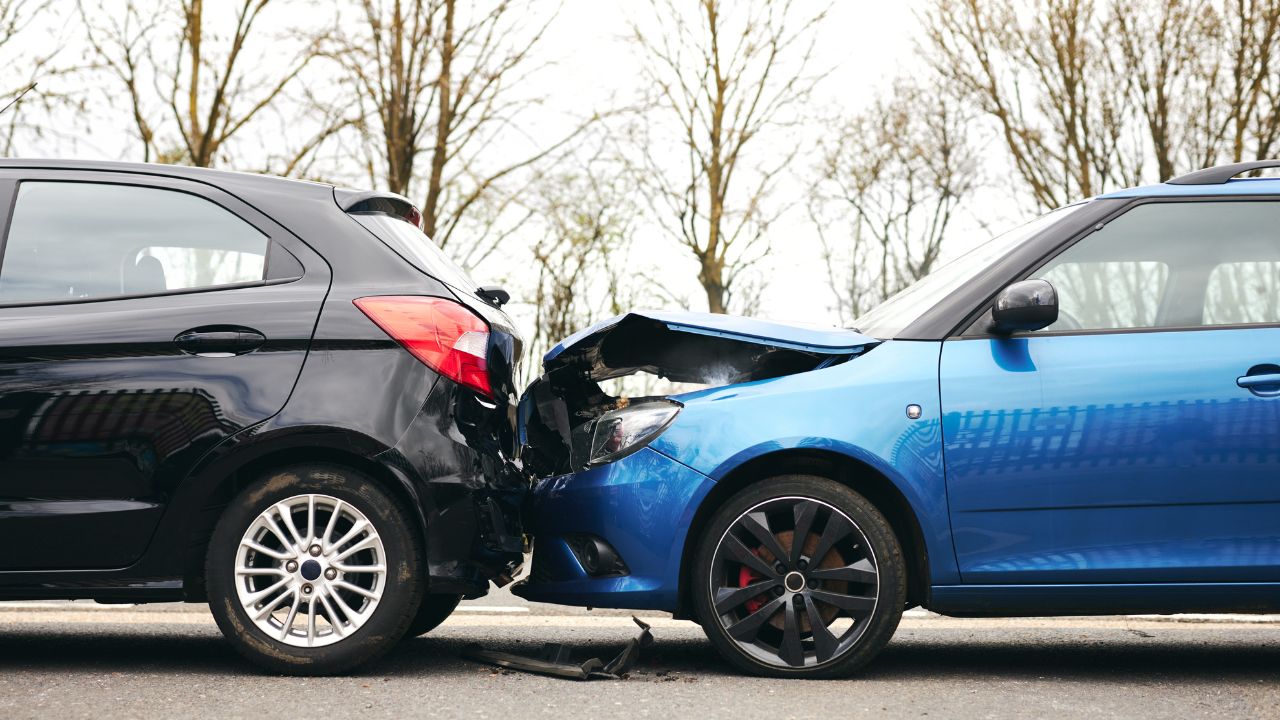
Vehicle owners in California face strict deadlines when pursuing compensation for lost market value after accidents. Even perfectly repaired vehicles lose resale value simply because accident histories deter buyers and reduce trade-in offers.
Understanding the California diminished value statute of limitations and required documentation prevents missed opportunities for financial recovery. The timeframe for filing a DV claim in California depends on several factors, including whether government entities are involved.
Key Takeaways
- California’s statute of limitations for diminished value claims is three years from the accident date
- Third-party claims against at-fault drivers’ insurers are recoverable, but first-party claims typically are not
- Luxury vehicles and electric vehicles experience the highest diminished value losses, ranging from 15% to 30%
- Professional appraisals costing $200-$400 are required to prove market value loss
- Insurers must acknowledge claims within 15 days and decide within 40 days of receiving proof
What Is a Diminished Value Claim?
A diminished value claim seeks compensation for the permanent market value reduction of a vehicle after an accident. This loss occurs regardless of repair quality, as potential buyers pay less for vehicles with accident histories.
The claim addresses the financial gap between the vehicle’s pre-accident worth and post-repair market value. Accident histories disclosed through vehicle history reports permanently affect resale prices and trade-in valuations.
What Causes a Vehicle’s Market Value to Decrease?
Vehicles typically lose 10-30% of their pre-accident value after collisions, with severe damage reaching 50%. This reduction happens because buyers perceive an increased risk of hidden structural damage or future mechanical problems.
Luxury vehicles and electric vehicles experience the highest market sensitivity to accident histories due to buyer expectations. Premium car shoppers demand pristine vehicle histories and will pay significantly less for accident-involved vehicles.
What Types of Diminished Value Exist?
Inherent diminished value represents loss caused solely by accident history, regardless of repair quality or completeness. This type of diminished value is most commonly claimed because it applies to all accident-involved vehicles with documented histories.
Repair-related diminished value occurs when visible or imperfect repair work further reduces market appeal beyond history alone. Immediate diminished value measures the value gap immediately after a collision but before repairs begin.
Who Can File a Diminished Value Claim in California?
Vehicle owners not at fault for accidents can file third-party claims against the responsible driver’s liability insurance. California’s fault-based insurance system allows innocent parties to pursue all property damage losses, including market value reductions.
First-party claims against the owner’s own collision or comprehensive coverage typically fail because California policies exclude diminished value coverage. At-fault drivers generally cannot recover diminished value from any insurer for their own vehicles.
What Are the Differences Between Third-Party and First-Party Claims?
Third-party claims target the at-fault driver’s liability insurance and are recoverable under California law. These claims succeed because liability policies must compensate innocent parties for all measurable property damage losses.
First-party claims against the owner’s collision or comprehensive coverage face policy exclusions that explicitly deny diminished value. California courts consistently uphold these exclusions, leaving at-fault drivers without diminished value recovery options.
Which Vehicle Categories Are Most Affected?
Compact and economy cars typically experience 6-10% diminished value loss, while mid-size sedans range from 8-14%. Standard vehicles have lower absolute dollar losses because their initial values are more modest than those of premium models.
Premium SUVs suffer 12-22% typical diminished value loss, and luxury sedans experience 15-25% market value reduction. Electric vehicles face the steepest losses at 18-30% because their specialized repair requirements and battery concerns amplify buyer hesitation.
What Is the Legal Timeframe to File a Diminished Value Claim?
California establishes clear deadlines through its statute of limitations for property damage claims, including diminished value. Missing these deadlines permanently bars recovery regardless of the claim’s strength or the damage severity.
The deadline for luxury car depreciation claim filings begins on the accident date, not the repair completion date. Vehicle owners must act within the statutory period to preserve their legal right to compensation.
What Is the Statute of Limitations for Property Damage Claims?
California Code of Civil Procedure Section 340 establishes a three-year statute of limitations from the accident date. This timeframe applies to all property damage claims, including both physical repair costs and market value losses.
The three-year period provides sufficient time to complete repairs, obtain professional appraisals, and negotiate with insurance companies. Filing after three years results in automatic case dismissal regardless of the claim’s merit or documentation quality.
Are There Shorter Deadlines for Claims Involving Government Entities?
Claims against government entities face a compressed one-year deadline under California’s Government Claims Act requirements. This shortened timeframe applies when government employees or vehicles cause accidents during official duties.
Vehicle owners must file administrative claims with the appropriate government agency before pursuing court action against public entities. Missing the one-year deadline permanently bars recovery from government defendants in car accident cases.
How Do You Prove and Document a Diminished Value Claim?
California law places the burden of proof entirely on claimants to demonstrate actual market value loss. Vehicle owners must provide concrete evidence showing the difference between the pre-accident value and the current post-repair market worth.
The landmark case Ray v. Farmers Insurance (2002) established that diminished value is recoverable against at-fault parties’ insurers. This precedent requires claimants to present credible, objective evidence from licensed professionals specializing in vehicle valuation.
What Evidence Is Required to Support Your Claim?
Successful claims require proof of the other driver’s fault through police reports, witness statements, or traffic citations. Documentation must also include final repair invoices showing all work completed and photographs demonstrating repair quality.
Licensed appraisers specializing in diminished value assessments provide the critical valuation evidence insurers and courts require. These professionals compare pre-accident market values with post-repair values using standardized methodologies accepted by California courts.
How Important Is an Independent Appraisal?
Independent diminished value appraisals from licensed professionals are essential for claim success because insurers rarely accept unsupported loss estimates. Professional appraisers use market data, vehicle history reports, and comparative sales analysis to establish credible value reductions.
Appraisals must come from licensed professionals without financial ties to repair shops or insurance companies to maintain credibility. Courts and insurers give significant weight to independent appraisals when determining settlement values.
What Are the Typical Costs and Settlement Amounts in These Claims?
Professional diminished value appraisals typically cost between $200 and $400 in California’s current market. This upfront investment provides the documentation necessary to prove losses and negotiate effectively with insurance adjusters.
Attorney contingency fees typically range from 33% to 40% of the final settlement when legal representation becomes necessary. Many straightforward claims settle directly with insurers using appraisal reports alone, avoiding attorney fees entirely.
How Much Do Appraisals and Legal Fees Usually Cost?
Professional appraisers charge $200-$400 for comprehensive diminished value assessments, including market analysis and formal reports. This cost remains consistent regardless of vehicle value, making appraisals cost-effective for moderate and high-value vehicles.
Attorneys working on contingency collect 33-40% of settlements but require no upfront payment from claimants. Hourly rate attorneys may charge $300-$500 per hour, making contingency arrangements more accessible for most vehicle owners.
How Do Damage Severity and Vehicle Type Affect Settlement Values?
Minor damage producing 5-10% diminished value generates $1,500-$3,000 payouts on $30,000 vehicles through typical insurance negotiations. These lower-severity cases often settle quickly when supported by credible appraisal reports and clear fault evidence.
Moderate damage causing 10-20% diminished value yields $3,000-$6,000 settlements on $30,000 vehicles under similar circumstances. Luxury vehicles with severe damage can produce settlements exceeding $20,000 when post-accident claim period California deadlines are met.
What Are the Steps and Timelines for Filing and Processing a Claim?
California’s Fair Claims Settlement Practices Regulations mandate specific insurer response timelines to prevent unreasonable claim delays. Insurers must acknowledge receipt of claims within 15 days of notification, regardless of the claim complexity.
Acceptance or denial decisions must occur within 40 days of receiving complete proof of claim, including appraisals. Payment must be issued within 30 days of reaching settlement agreements unless specific disputes justify delays.
How Quickly Must Insurers Respond and Settle Claims?
Insurers must acknowledge claims within 15 days of receiving written notification from claimants or their representatives. This acknowledgment confirms the claim is being processed and identifies the assigned adjuster handling the investigation.
Insurers must accept or deny claims within 40 days after receiving all required proof of claim documentation. Settlement payments must be issued within 30 days of agreement to prevent penalties under California insurance regulations.
What Does the Claim Process Look Like from Start to Finish?
The process begins by establishing the other driver’s fault through police reports, witness statements, or admission of liability. Vehicle owners must then complete all repairs and gather final invoices with before-and-after photographs documenting the work.
Claimants submit formal written demands to the at-fault driver’s insurer with supporting appraisal reports and fault documentation. Understanding what to do after a car accident helps ensure proper documentation from the collision scene forward.
How Do Consumer Priorities and Demographics Influence Diminished Value Claims?
California diminished value claimants concentrate heavily in the 35-54 age bracket based on insurance claim data analysis. This demographic owns higher-value vehicles and possesses the financial awareness to pursue all available damage recoveries.
Income levels typically range from $60,000 to over $100,000 annually among successful claimants pursuing diminished value compensation. Higher earners own newer and more expensive vehicles, where absolute dollar losses justify appraisal and legal costs.
Which Age and Income Groups Are Most Likely to File?
The 35-54 age bracket represents the highest concentration of diminished value claimants due to peak earning years. These vehicle owners typically purchase newer, higher-value vehicles that experience significant absolute dollar losses after accidents.
Claimants earning $60,000-$100,000+ annually pursue claims most frequently because their vehicles justify professional appraisal costs relative to expected recoveries. Lower-income groups may lack access to newer vehicles or awareness of diminished value claim options.
How Does Vehicle Ownership Location Impact Claims?
Urban areas, including Los Angeles, the Bay Area, and Silicon Valley, see the highest claim volumes due to dense traffic. These regions combine high accident frequencies with higher concentrations of luxury and electric vehicles, experiencing substantial value losses.
Affluent Orange County communities show elevated claim rates reflecting higher luxury vehicle ownership and greater financial sophistication among residents. Urban claim volumes also benefit from better access to specialized appraisers and attorneys experienced in diminished value litigation.
Filing Deadlines and Key Considerations for Diminished Value Claims in California
Meeting California’s three-year statute of limitations protects vehicle owners’ rights to pursue full financial recovery after accidents. Earlier filing provides stronger negotiating positions before memories fade and documentation becomes harder to locate or verify.
The deadline for filing differs based on whether government entities are involved, requiring careful attention to applicable timeframes. Insurance companies frequently make lowball settlement offers, hoping claimants will accept inadequate compensation without understanding their full rights.
Successfully navigating California’s diminished value claims process requires understanding legal deadlines, evidence requirements, and insurer response obligations. Vehicle owners who act promptly after accidents, document all damages thoroughly, and obtain professional appraisals maximize their recovery potential.
Kerr Law Firm has helped Orange County vehicle owners recover diminished value losses since 1979 through focused practice in this specialized area. The firm’s contingency fee structure allows claimants to pursue full compensation without upfront costs or financial risk.
Don’t Let California’s Three-Year Deadline Cost You Thousands
Every day you wait pushes you closer to losing your right to recover what your vehicle was truly worth before the accident. Insurance adjusters know the clock is ticking, and many quietly count on you missing it.
Since 1979, Kerr Law Firm has helped Orange County vehicle owners pursue diminished value losses against at-fault drivers’ insurers. Our skilled personal injury attorneys coordinate the independent appraisals, build the documentation, and push back hard against lowball offers — especially on luxury and electric vehicles, where losses routinely climb past $10,000. With a 4.8-star rating from 144+ verified reviews and the trust of peer attorneys who refer their cases to us, we work strictly on contingency. You pay nothing unless we recover compensation on your behalf.
Contact us at Kerr Law Firm today for a free, no-pressure case review. The statute of limitations is already running — let’s protect your recovery before it expires.
